OEM vs. Aftermarket Parts: What Drivers Should Know Before a Repair
When your car needs collision repair, you might see two words on your estimate that you have never thought much about: OEM and aftermarket.
They both describe replacement parts. But they are not the same, and the difference can matter for fit, finish, and your peace of mind.
At JJ Autobody, we want drivers to understand what is going into their vehicle. Here is a simple breakdown.
What OEM Parts Are
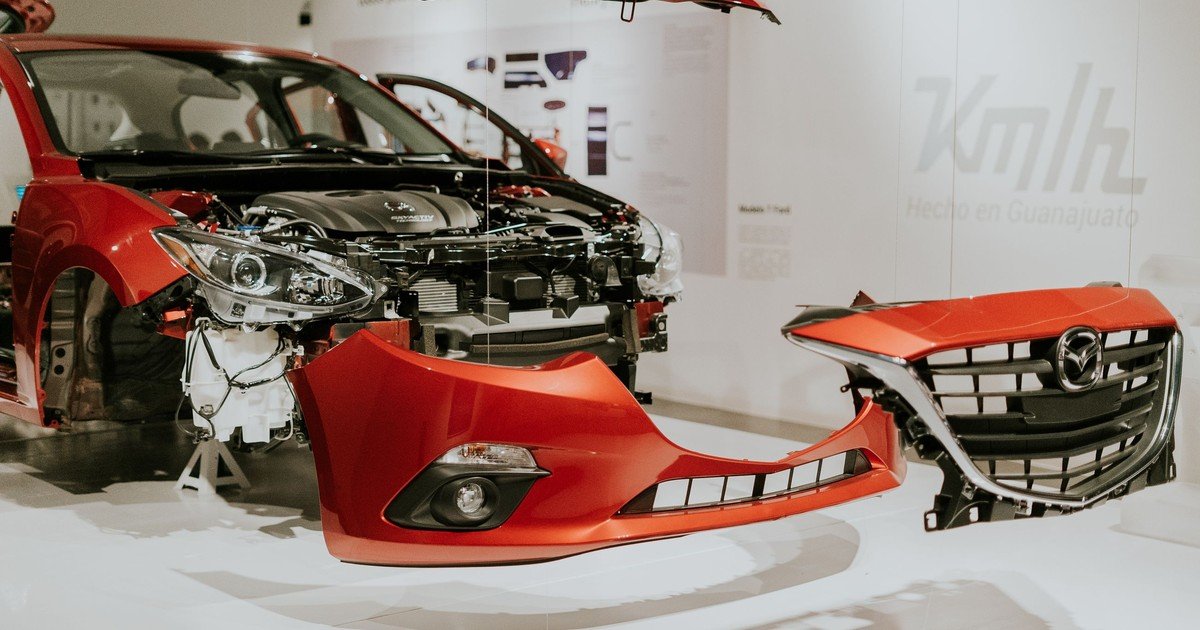
OEM stands for Original Equipment Manufacturer.
These parts are made by, or for, the company that built your car. They are designed to match the parts your vehicle had when it left the factory.
Because of that, OEM parts usually offer:
- A fit that matches the original part
- The same materials and design
- Fewer surprises during installation
What Aftermarket Parts Are
Aftermarket parts are made by other companies, not the original car manufacturer.
They are designed to work on your vehicle, and they are often less expensive. Quality can vary from one brand or part to another. Some aftermarket parts fit and perform very well. Others may need extra adjustment to line up correctly.
Why Insurance Companies Sometimes Choose Aftermarket
Insurance companies often look at repair costs closely.
Depending on your policy, the age of your vehicle, and the type of part, your insurer may approve aftermarket or used parts instead of new OEM parts. This is common, especially on older vehicles.
Every policy is different, so it is worth reading yours or asking your agent what it says about parts.
Where the Difference Shows Up
For some parts, the difference may be hard to notice. For others, it can matter more.
Areas where fit and quality are especially important include:
- Body panels that need to line up with the doors, hood, and trunk
- Bumper covers and brackets
- Headlights and taillights
- Parts connected to sensors and safety systems
A panel that does not line up quite right can leave uneven gaps or make paint matching harder.
Ask What Parts Are Being Used
You have every right to know what parts are being installed on your car.
Before the repair starts, it is a good idea to ask:
- Are these OEM or aftermarket parts?
- Does my insurance policy say which parts it covers?
- Can I pay the difference if I want OEM parts?
A good shop will answer these questions clearly and help you understand your options.
Quality Installation Matters Too
Even the best part will not perform well if it is installed poorly.
Proper fitting, careful alignment of panels, and quality paint work all play a role in how the final repair looks and holds up over time.
That is why choosing the right body shop matters just as much as choosing the right parts.
What About Used Parts?
There is a third option you may see on your estimate: used parts.
These are original parts taken from another vehicle, often called recycled or salvage parts. Since they come from the original manufacturer, they can fit well, but their condition can vary.
Used parts are more common on older vehicles or when new parts are hard to find. They should be inspected carefully before they are installed.
Safety Systems and Sensor Parts
Modern vehicles rely on sensors, cameras, and radar to run safety features like automatic emergency braking and blind spot monitoring.
Parts that hold or cover these sensors, such as bumpers, brackets, grilles, and windshields, need to be the right shape and thickness. If they are not, the sensors may not read correctly.
That is one reason many repair professionals prefer OEM parts when safety systems are involved.
Leased and Newer Vehicles
If your vehicle is leased, the lease agreement may require certain types of parts. Using the wrong parts could lead to charges when you return the car.
Owners of newer vehicles often prefer OEM parts too, since they help keep the car as close to factory condition as possible.
If either of these applies to you, check your lease or warranty terms and let your body shop know.
Making the Right Choice for Your Vehicle
There is no single answer that is right for every repair.
The best choice depends on your vehicle, your insurance policy, the part being replaced, and your budget. What matters most is that you understand your options and that the final repair looks right, fits correctly, and keeps your car safe.
Frequently Asked Questions
Are aftermarket parts always lower quality?
Not always. Some aftermarket parts fit and perform well, while others may need adjustment. Quality can vary from brand to brand.
Can I ask for OEM parts?
Yes, you can ask. Depending on your policy, you may need to pay the price difference if your insurance only covers aftermarket parts.
How do I know which parts are on my estimate?
Ask your body shop to walk you through the estimate. It should list each part and whether it is new OEM, aftermarket, or used.
Know What Goes Into Your Car
Your vehicle is a big investment, and you deserve to understand how it is being repaired.
If you need collision repair, bring your car to our Montebello or Huntington Park location for a free estimate. We will walk you through the repair plan, the parts involved, and how we will work with your insurance company.
Know what goes into your repair. Ask us anything.