
Parking-Lot Scratches: What May Be Hiding Beneath the Surface
You return to your vehicle after shopping and notice a long scratch along the door. There is no note, no nearby driver, and no clear explanation of what happened.
It may look like a simple cosmetic mark, but parking-lot damage can affect more than the top layer of paint.
At JJ Autobody Inc., we help drivers determine whether a scratch only needs surface correction or whether it has damaged the paint and body panel underneath.
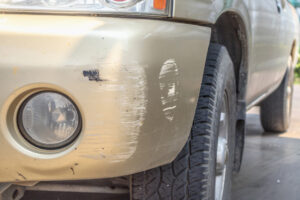
Start With the Fingernail Test
Gently run your fingernail across the scratch.
When your nail glides over it without catching, the damage may be limited to the clear coat. When your nail catches in the groove, the scratch may have reached the color layer, primer, or metal panel.
This quick check can give you an idea of the depth, but it does not replace a professional inspection. Lighting, dirt, wax, and the vehicle’s paint color can make scratches difficult to judge accurately.
The Color Inside the Scratch Matters
A scratch may reveal different layers depending on how deep it is.
A faint white or cloudy line may indicate clear-coat damage. A different color beneath the surface may mean the paint layer has been removed. When bare metal becomes visible, the area is no longer fully protected from moisture and road contaminants.
Ignoring exposed metal can allow corrosion to begin. Once rust develops, the repair may require more work than the original scratch.
Was the Panel Pushed In?
Parking-lot scratches are often caused by shopping carts, car doors, bicycles, keys, or another vehicle passing too closely.
The contact may leave more than a line in the paint. Look at the damaged area from several angles. Reflections in the panel can help reveal a shallow dent, crease, or uneven surface.
You should also check for:
- Chipped or flaking paint
- A dent near the scratch
- Loose trim or molding
- Uneven gaps around the door or fender
- Damage that continues onto another panel
These signs can help show whether the incident affected the shape or alignment of the panel.
Why Quick Touch-Up Paint Is Not Always Enough
Store-bought touch-up products may cover the exposed area, but they do not always produce a smooth or properly matched result.
If the scratch is deep, the damaged section may need preparation before new paint is applied. Painting directly over dirt, loose paint, or corrosion can trap the problem beneath the surface.
Professional repair may include cleaning the area, smoothing the damaged section, treating exposed material, matching the paint, and restoring the protective finish.
We evaluate the complete condition of the damaged area before recommending the repair.
Repairing the Scratch Can Protect More Than Appearance
A clean exterior helps your vehicle look cared for, but scratch repair can also help preserve the panel itself.
Addressing parking-lot damage can:
- Prevent exposed metal from rusting
- Stop chipped paint from spreading
- Improve the vehicle’s resale appearance
- Restore a smoother, more consistent finish
- Reduce the chance of a small repair becoming more expensive
The sooner the damage is inspected, the easier it may be to restore.
Let JJ Autobody Inc. Take a Closer Look
A parking-lot scratch may be shallow, deep, dented, or beginning to corrode. You should not have to guess what kind of repair your vehicle needs.
JJ Autobody Inc. provides professional scratch repair, dent repair, bodywork, and computerized paint matching for drivers in Montebello and Huntington Park, California.
JJ Autobody Inc.—Helping remove the damage your parking spot left behind.